
Blog
At Fit2Push, we pride ourselves on staying up-to-date on the latest medical research so that we can best understand how to treat our patients. We also believe that educating our patients is vital to their success in their healthcare journey.
The more you understand your body, the more you know the why instead of just the how.
We calculate all economic indicators and understand feasibility of advertising campaign
Postpartum Recovery for Real Life
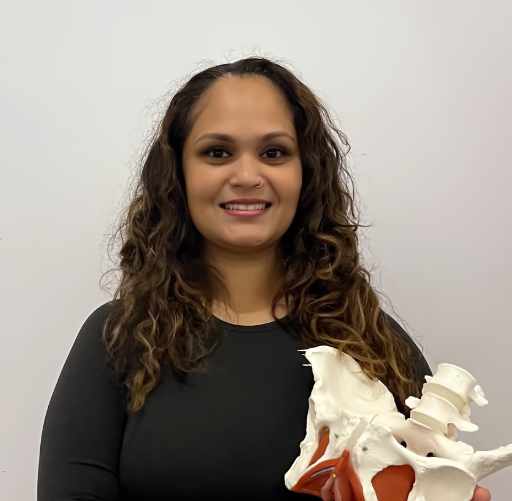 by: Dr. Veeda Ahmad, PT, DPTPublished on: 12/10/2026
Postpartum recovery should prepare you for carrying, lifting, stairs, floor transfers, and longer days—not just exercises performed on a mat.
Return to Running Postpartum: A Readiness Guide
by: Dr. Veeda Ahmad, PT, DPTPublished on: 30/09/2026Returning to running postpartum takes more than six-week clearance. Learn what readiness may involve, which symptoms matter, and how to begin.

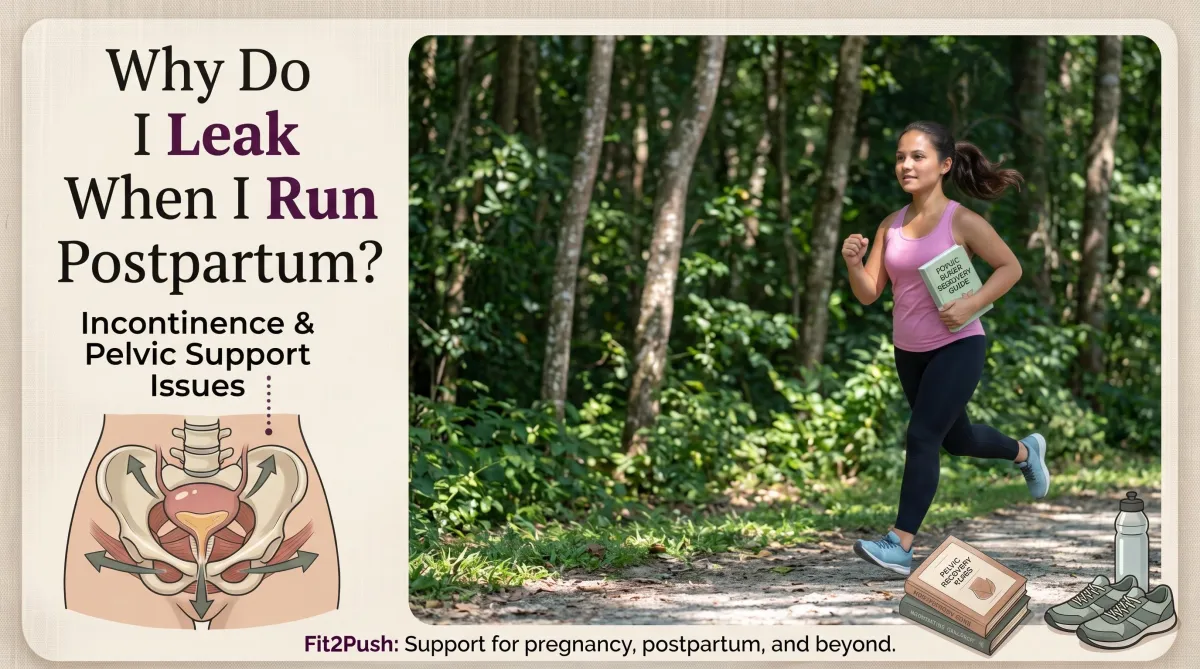
Why Do I Leak When I Run Postpartum?
by: Dr. Veeda Ahmad, PT, DPTPublished on: 25/09/2026Leaking while running postpartum is common, but it is not your only option. Learn what may contribute and how to build a graded return.
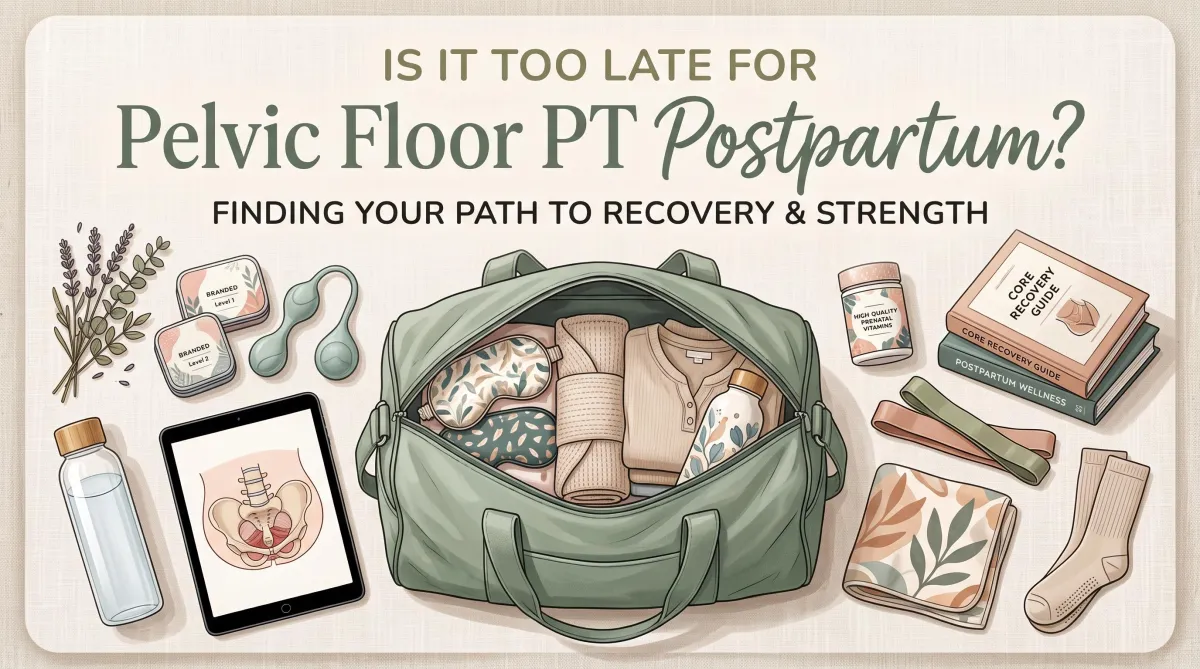
Is It Too Late for Pelvic Floor PT Postpartum?
by: Dr. Veeda Ahmad, PT, DPTPublished on: 21/09/2026Months or years postpartum? Learn what timing can and cannot tell you, what pelvic-floor PT may address, and how to choose a useful next step.

+1 267-668-0560
Business Hours:
Business Hours Vary by Appointments
View the Good Faith Estimate here.
Professional Credentials & Service Area
Provider: Dr. Veeda Ahmad, PT, DPT
Title: Founder & Lead Physical Therapist at Fit2Push
Service Area: Ewing, Princeton, Hopewell, Lawrenceville (Mercer County, NJ)
Specialties: Pelvic Floor PT, Birth Doula, Postpartum Core Rehab
Status: Currently Accepting New Patients (No Wait List)
Follow Our Socials!


© Copyright 2026. Fit2Push. All rights reserved.
We’re on a mission to build a better future where we a woman's health is a journey that everyone understands and supports.